Why Your Foundation Is More Than Just Concrete
Let's talk foundations. Look, it's definitely not the flashiest part of your home, I know. But it's probably the most important thing there is. It literally holds everything up! Here in Cicero, we've got homes that have been standing for a hundred years or more, and then you've got the newer builds. Each one has its own story, and a lot of that story is written right there in the ground underneath it.
You can't just pour concrete and say, "Done!" — not if you want it to last, anyway. A lot goes into a good foundation, whether you're talking about a full basement, a crawl space, or a slab. It's about really understanding the soil, the water, and even the history of the land your house sits on. That's where local knowledge truly counts, and it's something we take pretty seriously at Ace Concrete Solutions.
Cicero's Unique Challenges: Soil, Water, and Age
Anyone who's lived here for a while knows our weather can get a little wild. We get those deep freezes in winter that can push and pull at the ground, then the spring thaws and heavy rains bring their own set of problems. This constant freeze-thaw cycle is really tough on any concrete, especially foundations, which are always in contact with the earth.
Then there's the soil itself. A lot of Cicero, particularly in some of the older neighborhoods like the ones around Cermak Road, sits on clay-rich soil. Clay is super tricky. It expands when it gets wet and shrinks when it dries out. This constant movement, what we call 'expansive soil,' can put immense pressure on your foundation walls or cause slabs to settle unevenly over time. You just can't ignore it, and if you don't factor it in during construction or repair, well, you're just asking for trouble down the line.
And let's not forget how old our housing stock is. Many of the homes built in the early to mid-20th century used different techniques and materials than today's. They've certainly stood the test of time, but they might also show signs of wear and tear unique to their era. We often see issues with older brick foundations or original concrete that simply wasn't poured to modern standards for rebar or depth.
Common Foundation Projects We See Around Here
So, what kind of foundation work do we typically get called for? It's a real mixed bag, but some themes pop up again and again:
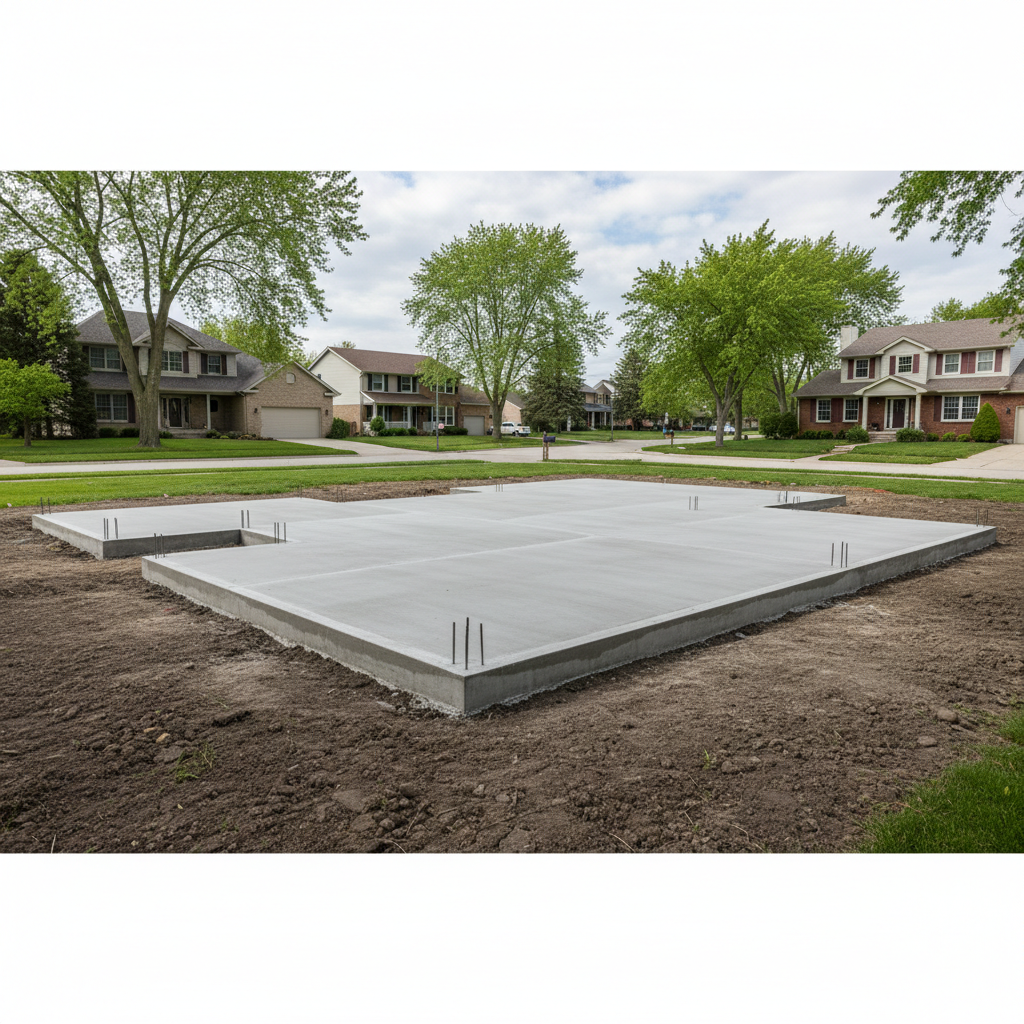
- New Home Foundations: When someone's building a new house or an addition, we're pouring new footings, walls, or slabs. This is your chance to do it right from the start, taking all those local conditions into account.
- Foundation Repair: This is a big one. Cracks in basement walls, bowing walls, uneven floors – these are all signs your foundation might be having issues. Sometimes it's just minor settling, other times it's more serious structural damage that needs immediate attention. We've seen everything from small hairline cracks to significant wall movement caused by hydrostatic pressure from heavy rains.
- Waterproofing: Often tied right into foundation repair, especially in older homes with basements. If you've got water seeping in after a big storm, it's not just annoying; it can lead to bigger foundation problems and mold. We're talking exterior drainage systems, interior drain tiles, and sealing cracks.
- Slab Replacement or Repair: For homes built on a slab, sometimes you get cracks or unevenness. This might mean repairing sections or, in some cases, replacing the entire slab if the damage is really extensive.
Why Local Expertise Isn't Just a Buzzword
You might think concrete is concrete, no matter where you are. But that's just not true, especially with foundations. A contractor from out of state, or even from a different part of Illinois, might not really understand the specific challenges we face here in Cicero.
They might not know about the clay soil, the specific building codes that have evolved over the years, or the common issues found in homes built in the 1920s versus the 1960s. We've been working in this area for years, and we've truly seen it all. We know what works and what doesn't work for our particular climate and ground conditions.
When you're dealing with your foundation, you don't want guesswork, do you? You want someone who knows the lay of the land, literally. Someone who can diagnose the problem accurately and recommend a solution that's going to last, not just some quick fix. That's the kind of confidence you get when you work with a local company like Ace Concrete Solutions. We're your neighbors, and we're here to do the job right for our community.