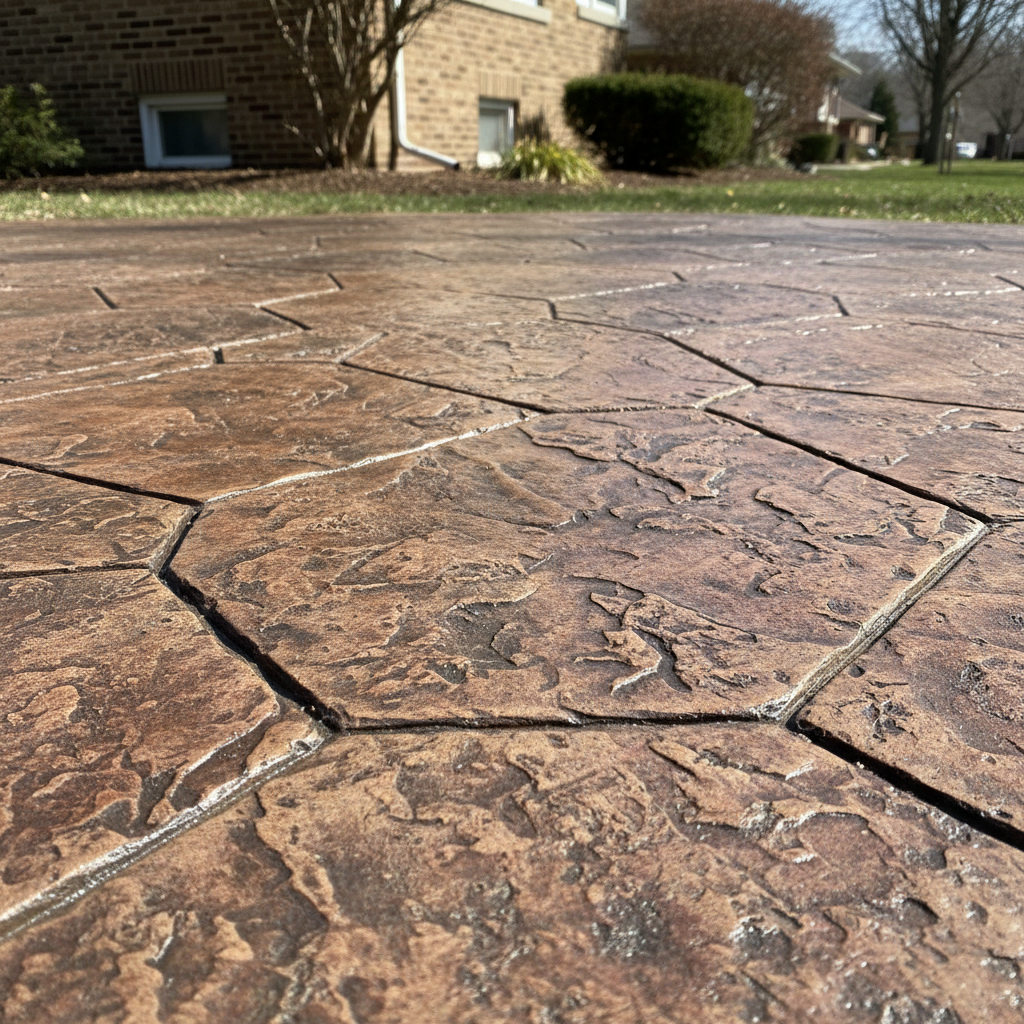
Decorative concrete? Oh, it can really change a space. We're not just talking about a boring gray slab here; it's about throwing in some color, texture, and patterns that make your patio, walkway, or even your garage floor look absolutely fantastic. Around Cicero, especially in some of those older bungalow neighborhoods, I've seen people do some seriously cool stuff with it. But here's the thing: not all decorative concrete is created equal, and honestly, not all of it makes for a good DIY project.
Before You Start: Planning and What to Expect
First off, what kind of look are you actually going for? "Decorative concrete" is a pretty big umbrella term. It could mean stamped concrete, which is designed to look like brick, stone, or even wood. Or maybe stained concrete, where you put on a chemical stain that reacts with the concrete itself, giving you those cool, translucent, mottled effects. Then there's epoxy coating, which people often use for garage floors – super durable, seamless, and usually pretty colorful. You've also got exposed aggregate, polished concrete, and even concrete overlays that can go right over your existing concrete, which is pretty neat.
Before you even think about buying materials, you really need to check out what you're working with. Is the concrete you have now in decent shape? If you're planning an overlay or a stain, that base absolutely has to be solid. No big cracks, no crumbling bits, no major dips. If your patio has survived one too many brutal Cicero winters and is heaving or spalling (that's when the surface flakes off), an overlay isn't going to magically fix those deeper problems. You'll need to deal with the foundation first, and yeah, that often means ripping it out and pouring new concrete.
Also, think about how much use your decorative concrete will get. A garage floor needs to handle car weight, oil spills, and road salt, no problem. A patio? It's got to stand up to foot traffic, furniture, and maybe even a BBQ grill. This really matters for what kind of decorative finish you pick and how tough it needs to be.
What You Can Probably Tackle Yourself (But Be Careful)
Some decorative concrete projects are definitely more homeowner-friendly than others. If you're pretty handy and have some patience, you might think about:
- Concrete Staining: This is probably the easiest decorative concrete project for a DIYer. You're just putting a stain (either acid-based or water-based) onto an existing concrete surface. The main thing here is getting the surface super clean – maybe even a light grind. You absolutely need to test a small, hidden spot first to see how your concrete reacts to the stain; every slab is different, you know? It won't look like a perfectly uniform paint job, and that's actually part of its charm. Don't forget to seal it properly afterward.
- Basic Concrete Sealing with Color Additives: You can grab clear sealers that already have a tint, or just mix color packs into a standard clear sealer. This is more about making your existing concrete look better and protecting it, with just a hint of color. Again, surface prep is key. Make sure that concrete is spotless and dry.
- Epoxy Coatings for Garage Floors (Smaller Areas): For a single-car garage or a little workshop, a good quality DIY epoxy kit can totally work. These kits usually come with everything you need, even stuff for prep. The biggest challenge? You've got to work fast and precisely, because epoxy doesn't stay workable for long once you mix it. And you really, really need to make sure your concrete is clean, dry, and etched right so the epoxy sticks. Any oil spots or moisture, and it's just going to fail.
For any of these projects, you'll want good ventilation, the right safety gear (gloves, eye protection, a respirator), and you've got to follow the manufacturer's instructions word for word. Seriously, don't skip steps; that's usually where DIY projects go wrong.
When to Call a Pro (No, Really, Don't Skimp Here)
This is exactly where Ace Concrete Solutions comes in. Some decorative concrete work is just too complicated, too physically demanding, or needs too much specialized equipment and know-how for the average homeowner. You'll definitely want to give us a call for:
- Stamped Concrete: This is a whole different ballgame. Stamping means pouring fresh concrete, then putting on release agents and pressing huge, heavy mats into the wet concrete at just the right moment. Timing is everything; if it's too wet, the pattern gets blurry; too dry, and it won't even make an impression. It also involves special concrete mixes, colors mixed right into the concrete, and often multiple layers of sealers. Getting a consistent, professional-looking pattern over a big area is incredibly tough for someone doing it themselves.
- Large-Scale Epoxy or Polished Concrete: While you might manage a small garage, an epoxy job for a multi-car garage or a basement floor is a massive undertaking. It needs industrial-grade grinders for surface prep, super precise mixing and application across big areas, and often specialized ventilation. Polished concrete also requires heavy-duty grinding equipment with diamond pads, a multi-step process that can take days.
- Concrete Overlays for Repair: If your existing concrete has serious damage, an overlay isn't just a simple cosmetic fix. It needs specialized polymer-modified concrete mixes applied in thin layers, often with mesh or fiber reinforcement. Getting it to bond correctly and end up with a uniform, durable finish is pretty hard.
- Any Project Requiring New Concrete Installation: If you're pouring a brand new patio, walkway, or driveway and you want it to be decorative, you're already in professional territory. Pouring concrete correctly is tough enough; adding integral color, stamping, or special finishes just makes it way more complex. You need to get the grading right, the base compacted, the forms set perfectly, and then handle all the decorative work before it cures.
The honest truth? A poorly done decorative concrete job can look way worse than plain old concrete. It can peel, crack, fade unevenly, and turn into a really expensive headache to fix. Especially with the freeze-thaw cycles we get here in Cicero, you really want your concrete done right the first time, with proper expansion joints and a mix that can handle it.
So, take an honest look at your own skills, how much time you have, and how complicated the project is. If it's just a small staining job and you're feeling adventurous, go for it! For anything more involved, especially if it's a prominent part of your home, give Ace Concrete Solutions a call. We've got the experience and the right tools to make sure your decorative concrete project looks amazing and lasts for years, without you having to stress over every little detail.