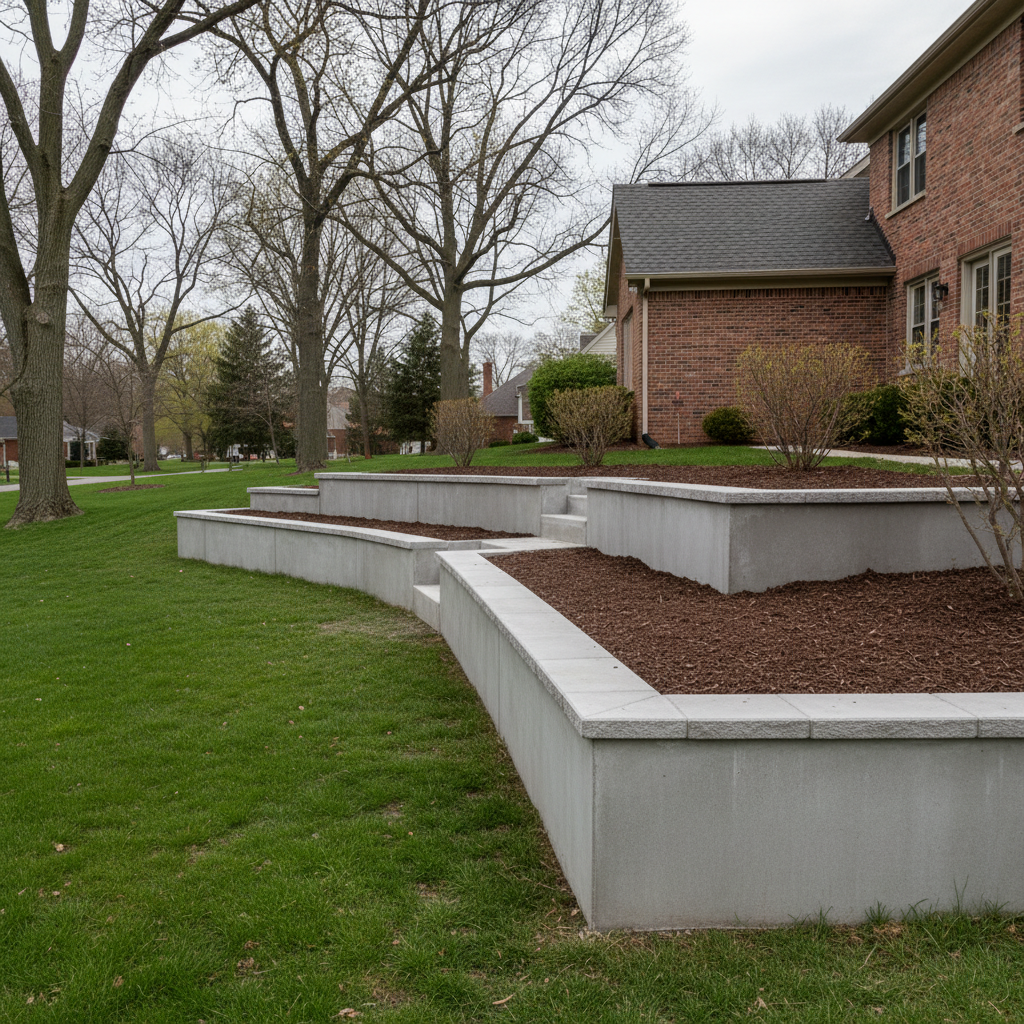
Finding someone you can trust to pour a new driveway or patio on your property is stressful. You want a crew that shows up on time, does clean work, and does not disappear halfway through the job. If you live around here, you already know our local clay soil and freezing winter freeze-thaw cycles can damage poorly poured concrete. That means you need a professional who actually knows how to prep the ground right.
Before you sign any contracts or hand over a deposit, you need to ask the right questions. Do not just rely on a slick website or a low estimate. Here is a quick rundown of what you should be digging into:
- Are you licensed to work in the Town of Cicero and do you pull local permits?
- Can you show me proof of general liability and workers' compensation insurance?
- How do you handle sub-base preparation for heavy clay soils?
- What is your policy on control joints to prevent random cracking?
When you get a quote back, look at it very carefully. A cheap price usually means someone is cutting corners on materials, sub-base depth, or concrete thickness. Ace Concrete Solutions always itemizes bids so homeowners know exactly what they are paying for. Look for specifics like psi strength ratings, gravel depth, wire mesh or rebar reinforcement, and exact thickness measurements. If a quote is just one lump sum scribbled on a paper with no details, run the other way.
Spotting contractor red flags can save you thousands of dollars and months of trouble. Be wary of anyone who knocks on your door uninvited offering leftover concrete from another job down the street. That is a classic scam. Other warning signs include demanding cash-only payments upfront, having no permanent business address, or refusing to put terms in writing.
Verifying legitimacy is straightforward if you know where to look. Check with the Town of Cicero building department to confirm their local bond and licensing status. Look up independent reviews on multiple platforms, but pay special attention to negative reviews and how the company responded to them. Do not hesitate to ask for local references from projects they completed nearby a few years ago. Drive by those sites if you can to see how the concrete is holding up against local weather.
Taking your time upfront pays off. Get at least three detailed estimates, compare them apples-to-apples, and trust your gut when talking to the crew lead. Doing your homework now means you will end up with a solid slab that lasts for 15 to 20 years or more instead of a cracked mess you have to replace in five years.