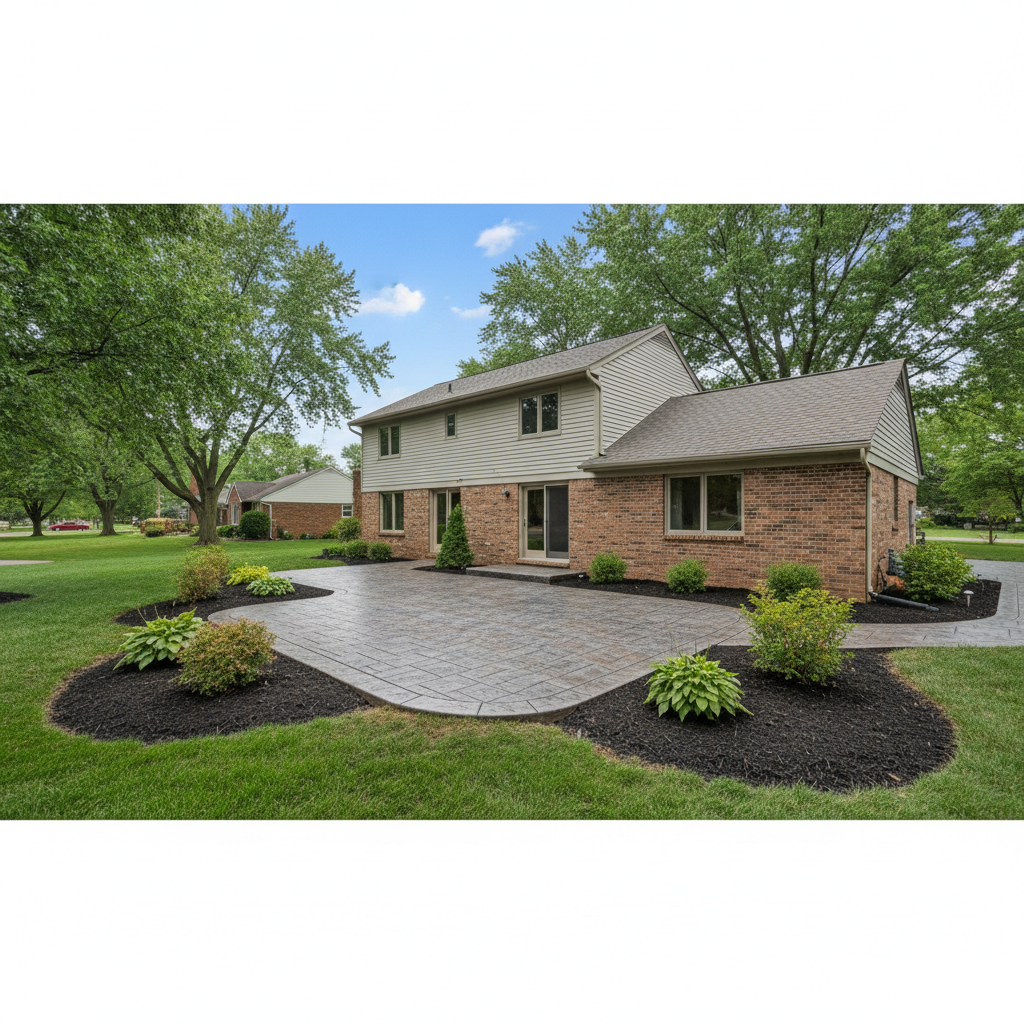
Planning Your Stamped Concrete Project: What to Know
So, you're thinking about stamped concrete for your patio, walkway, or driveway? That's a smart move. It looks great, adds curb appeal, and it's tough as nails when it's done right. But before you jump in, there's some planning involved. As a contractor here in Cicero, I've seen plenty of projects, and a little preparation goes a long way. Let's talk about what you need to know to make your stamped concrete project a success.
The Timeline: Don't Rush It
First off, don't expect this to happen overnight. Good concrete work takes time, especially stamped concrete. You're not just pouring a slab; you're creating a custom finish.
- Initial Inquiry & Quote: This is where you call us or another local contractor. We'll come out, take a look at your space, discuss designs, and give you an estimate. This can take a few days to a week, depending on how busy everyone is.
- Design & Material Selection: Once you've picked a contractor, you'll need to finalize your stamp pattern, color, and any borders. We've got tons of options, from patterns that look like natural stone or wood to various earth tones. This part is fun, but it needs to be decided before we start.
- Scheduling: This is a big one. Good contractors are booked out. Depending on the time of year – especially during the busy spring and summer months when everyone in Cicero wants outdoor work done – you might be looking at a wait of a few weeks to a couple of months. Don't let that scare you; it just means we're in demand because we do quality work.
- Permits: For larger projects, like a new driveway or a significant patio extension, you might need a permit from the Village of Cicero. Your contractor should help guide you on this, but it's another step that adds time.
- Construction: The actual work usually takes a few days. Day one is often prep – excavation, grading, setting forms. Day two is pouring and stamping. Then there's drying time, sealing, and cleanup. We're not talking weeks of active work, but it's not a single afternoon either.
- Curing: After we're done, the concrete needs to cure properly. You usually can't walk on it for a day or two, and you'll need to keep heavy traffic off it for at least a week, sometimes longer, depending on the mix and the weather.
From your first call to enjoying your new patio, plan for anywhere from 4 to 12 weeks, especially if you're doing this in peak season. It's an investment, so patience pays off.
What to Expect During the Process
When we're on site, here's a general idea of what's going to happen:
- Excavation and Grading: We'll dig out the area to the right depth. We need a solid base, especially with our clay soils around here in Cicero, so proper grading and compaction are critical.
- Form Setting: We'll set up forms to define the edges of your new concrete. This is where your design really starts to take shape.
- Base Preparation: We'll lay down and compact a gravel base. This helps with drainage and prevents cracking down the line.
- Pouring the Concrete: The concrete truck arrives, and we pour the slab. This is a fast-moving process.
- Coloring and Stamping: While the concrete is still wet, we'll apply the color hardener and release agents, then press the stamping mats into the surface to create your chosen pattern. This is where the artistry comes in.
- Curing and Sealing: After the concrete sets, we'll clean it up and apply a high-quality sealer. This protects the surface, enhances the color, and makes it easier to maintain.
It's a bit messy while we're working, but we always clean up thoroughly when we're done. You might hear some noise, see some heavy equipment, but we try to minimize disruption as much as possible.
How to Prepare Your Property
You can help us out a lot before we even show up:
- Clear the Area: Move any patio furniture, grills, planters, or anything else out of the work zone. We need clear access.
- Mark Sprinklers/Utilities: If you have an irrigation system or underground dog fence, mark the lines clearly. We don't want to hit them.
- Access: Make sure we have a clear path for our equipment, including a concrete truck if possible. Sometimes we need to wheelbarrow it in, which takes longer.
- Pets & Kids: Keep them away from the work area for their safety and ours. Concrete work involves heavy tools and wet materials.
- Talk to Your Neighbors: Give them a heads-up. There will be some noise and activity for a few days. It's just good neighborly practice.
Questions to Ask Before You Sign
Don't be shy. Ask everything you need to feel comfortable. Here are some key questions: